If I had to choose to learn a skill now or back in the 90s, I would choose the latter. It often began with boredom – the kind that crept in during long afternoons with no Wi-Fi, no smartphones and only a handful of TV channels. But from that boredom, came creativity. People did not just pass time, they made something out of it.
In the 90s, learning a fun skill usually meant getting hands on. If you wanted to draw, you grabbed a pencil and a stack of paper. If you wanted to dance, you watched music videos, pausing and rewinding VHS tapes until you got the steps right. Even cooking meant standing beside a parent or flipping through handwritten recipe books, learning by trial, error, and sometimes burnt food.

Today, learning a fun skill looks very different – it is faster, more accessible, and overall digital. Instead of spending weeks mastering a skill, people now expect to pick it up in minutes through short tutorials. Want to learn photography? There is a step-by-step video for that. Calligraphy taking your fancy? There are plenty of instant online classes. The biggest difference is not just technology, but the pace at which it is consumed.
“The real magic lies in using modern tools while keeping the old school mindset of curiosity, persistence, and genuine enjoyment.”
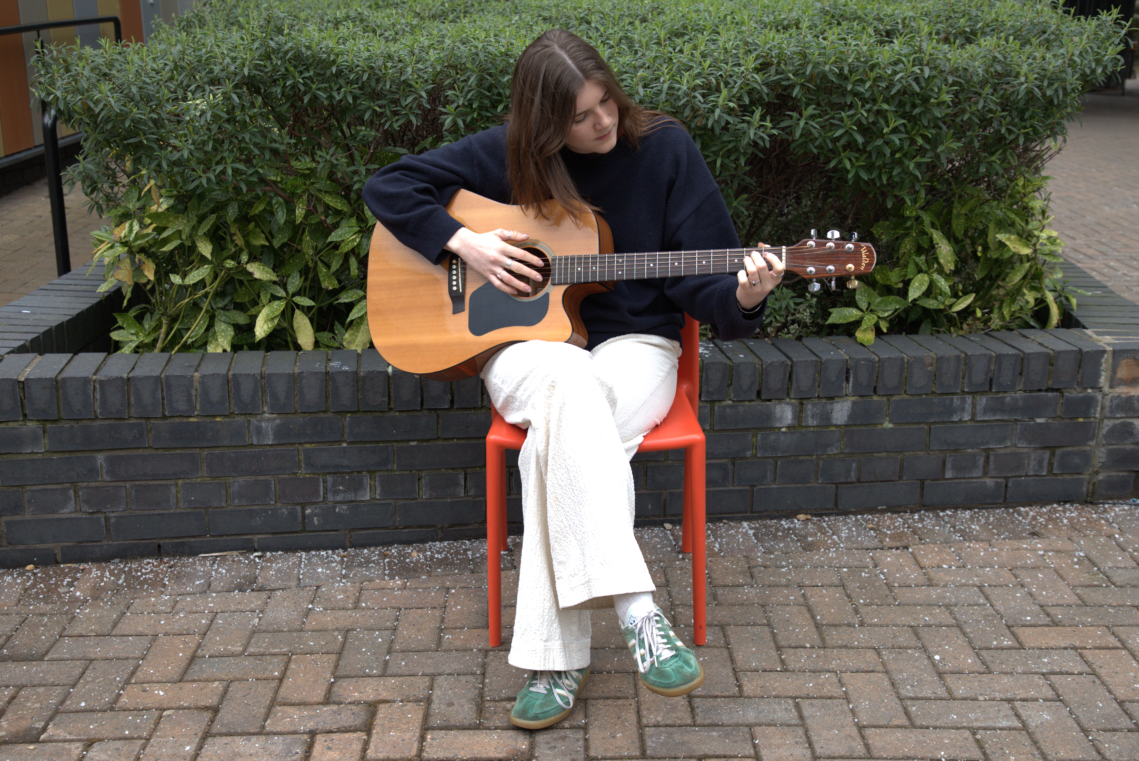
I remember when I learnt to play the guitar. With the help of YouTube, there were so many tutors who taught differently – I got so confused. Back in the 90s, learning was slow and immersive. Picking up an instrument required patience and commitment. A child learning the piano or guitar often attended physical lessons once a week, practising with sheet music and guidance from a teacher. Mistakes were part of the process, and progress felt deeply rewarding because it took time. You learned to tune a guitar by ear, memorize chords, and build discipline through repetition. No matter what instrument you were picking up, the thought of creating music was epic – the feeling of ‘I created this’.
Today, learning an instrument can start with a smartphone app. Interactive lessons show finger placement, track progress, and even gamify the experience. Someone can learn basic chords in hours rather than weeks. While this convenience is powerful, it may remove the deeper connection that came from slower learning.
The same can be said for hobbies like sewing, knitting, skateboarding, cards or magic tricks – the list goes on. With all the above, you observed others doing it and practiced until you got it right because there was no quick solution to Google.
Neither era is necessarily better, just different. The slower way of learning taught us patience, resilience, and the joy of discovery through effort. Today’s world offers accessibility, speed, and the freedom to explore countless skills without limitations. Perhaps the real magic lies in combining both approaches: using modern tools while keeping the old school mindset of curiosity, persistence, and genuine enjoyment.
Because whether it is learning guitar chords in your bedroom in 1995 or following a dance tutorial on a phone today, the true fun of learning a skill has always been the same. The excitement of realizing, ‘I couldn’t do this yesterday… but I can today’.