Gen Z are exhausted by the digital world. The AI bubble is arguably at its peak. Its data centres are draining our waters. Targeted ads run our social media and listening habits. Even gaming has felt a shift from analogue to digital formats, with the PlayStation 5 Pro releasing without a disc drive in 2024.
Because of this, over the past five years there has also been a shift in consumer attitudes, with more and more people switching back to older consoles, like that of the Nintendo DS or Sony’s handheld PSP (PlayStation Portable). Even though Xbox has announced its new Project Helix, it is looking like people might not be so quick to rush to it.
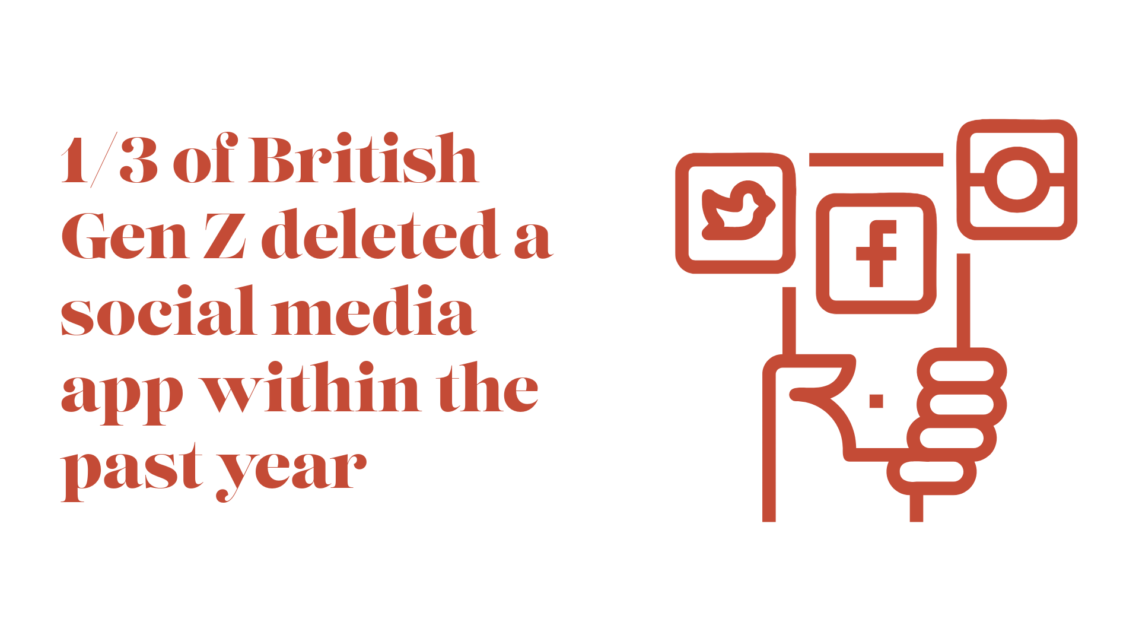
One in three people also do not want to purchase a new device. Clearly, there is growing digital fatigue amongst this generation.
I have seen this fatigue manifest in a return to nostalgic devices from our childhoods. The physical joysticks and glitchy screens. But to what extent is this trend motivated by a love for the systems? Are we just desperate to escape the intangible screens of today for something that feels more physical?
“The risk we take by going back to early digital and analog technology is creating vast amounts of waste for trends that pass by in the blink of an eye.”
I fully resonate with digital fatigue and understand that by returning to these older devices people can unplug from this landscape. But how unplugged is it to buy these devices just to post a picture of them on the apps you are trying to escape? When the intention comes from a desire to follow a trend rather than a desire to appreciate the technology, we risk repeating a common mistake. By rushing to these devices purely because it is trendy, we buy into overconsumption and technological waste – one of the main problems with digital media in the first place.
My friend Lorenz collects games and consoles, dating all the way back to the SEGA Genesis released in 1989, and the NES (Nintendo Entertainment System) first released in 1983. He comments on this growing trend: “I have found that broader and less focused communities tend to have many posts where ownership of the devices is treated more as a way to show off…I believe there is a big difference between wanting a console because it is trendy, and wanting it for the experiences it makes possible”.

There is a clear desire to be a part of a community that drives the participation in this trend. You can imagine the thought process of other people online sharing photos: “Oh, that looks cool! I think I will take my own photo too”. The feeling of finding a place to belong, even if it is only through the sharing of photos.
However, I could just be making assumptions. If someone wants to take a picture of their PSP taking a photo, who am I to judge? Even when it gets to the point of putting all your retro consoles on your bed and taking a photo of it, I must admit there is a certain aesthetic which I can appreciate.

As someone who grew up with a lot of these handheld ‘retro’ consoles, I recognise my own biases and passion towards such devices. Through things like emulation, where older games can be played on more modern devices such as PCs, I find a source of solace that reminds me of my own childhood.
It is that feeling of putting a disc into a console or cartridge and waiting that small moment for the game to load with a graphic filling the screen and music blaring excitedly. It is hiding a DS under your pillow as Mario yells “Bye, bye!” when you close it quickly. It is the nostalgia it all creates. Maybe the search for silence from the social media world ends with fuzzy, low quality gameplay of Mario Kart on two tiny screens and the soundtrack crackling out of tinny speakers. Ironically, it is like we have to plug in to these older consoles, in order to unplug from the current online world. Perhaps that is where the desire to share the photos of these devices comes from, a collective urge to go back to the past.
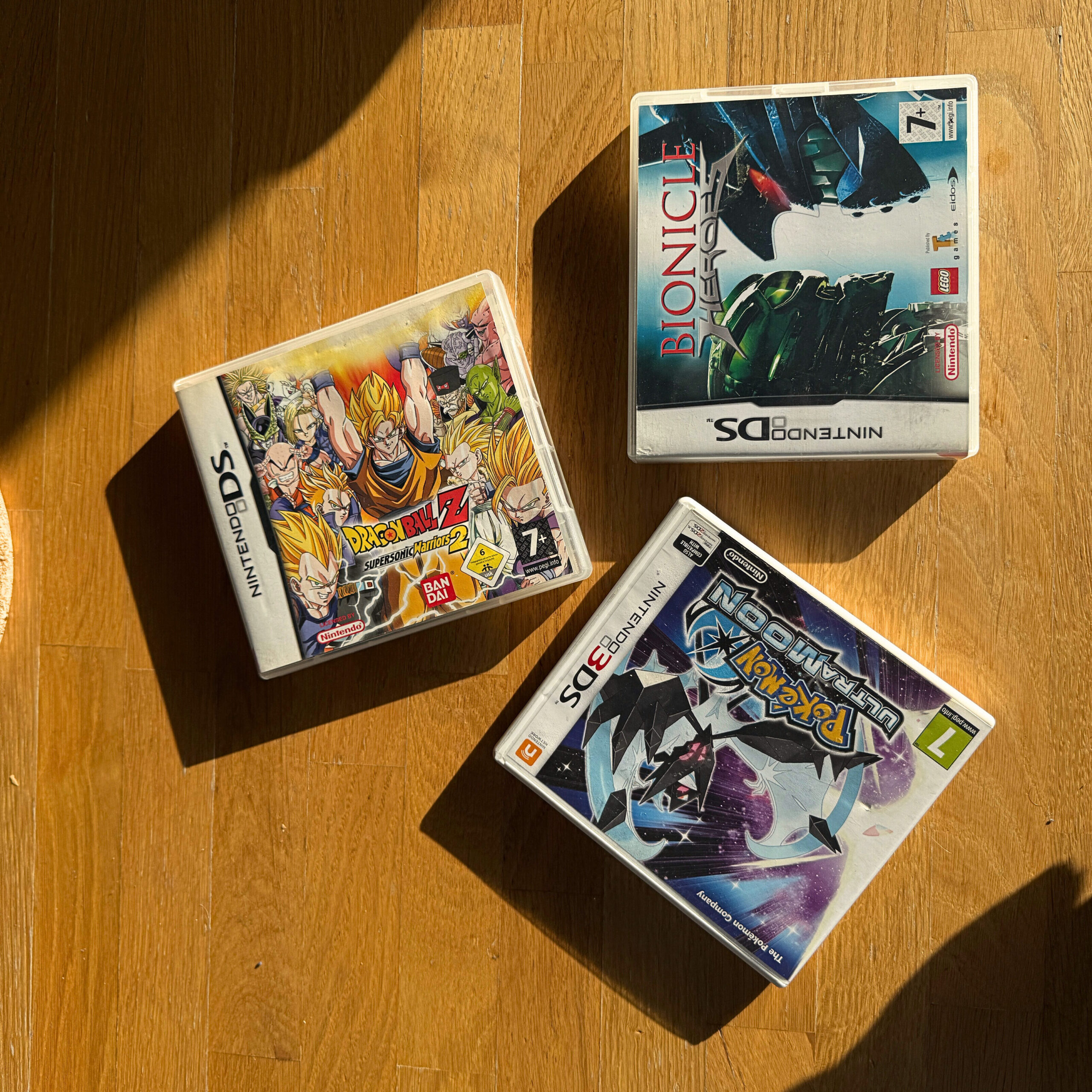
I do think that by falling back on the devices that were by our sides during pleasant times, one can detach oneself from the endless noise of social media. However, I also think that the usage of these devices is what can be met with scrutiny. Social media is a place where many different communities are able to share their passion, which in theory, can be a good thing.
It all comes back to the question of authenticity – whether the people sharing this content are actually invested in it or not. The risk we take by going back to early digital and analog technology is creating vast amounts of waste for trends that pass by in the blink of an eye.